The Four-Day Market Cycle of Enugu Ezike: Eke, Orie, Afo, and Nkwo
Explore how Eke, Orie, Afo, and Nkwo organize trade, communal announcements, and cultural observances across Enugu Ezike's 33 villages.
Discover the rich traditions, explore our villages, trace your genealogy, and connect with our AI heritage assistant to learn about our vibrant community.
View Tree:14 new ancestors were just verified in the Essodo lineage tree.— via Chief Dr. S.O. Okafor
01Encyclopedia Monographs
Peer-reviewed essays, oral histories, and verified cultural studies documenting Enugu Ezike with primary citations.
02Traditional Timekeeping & Commerce
Across Enugu Ezike, Eke, Orie, Afo, and Nkwo order agricultural trade, communal assemblies, and ancestral observances.

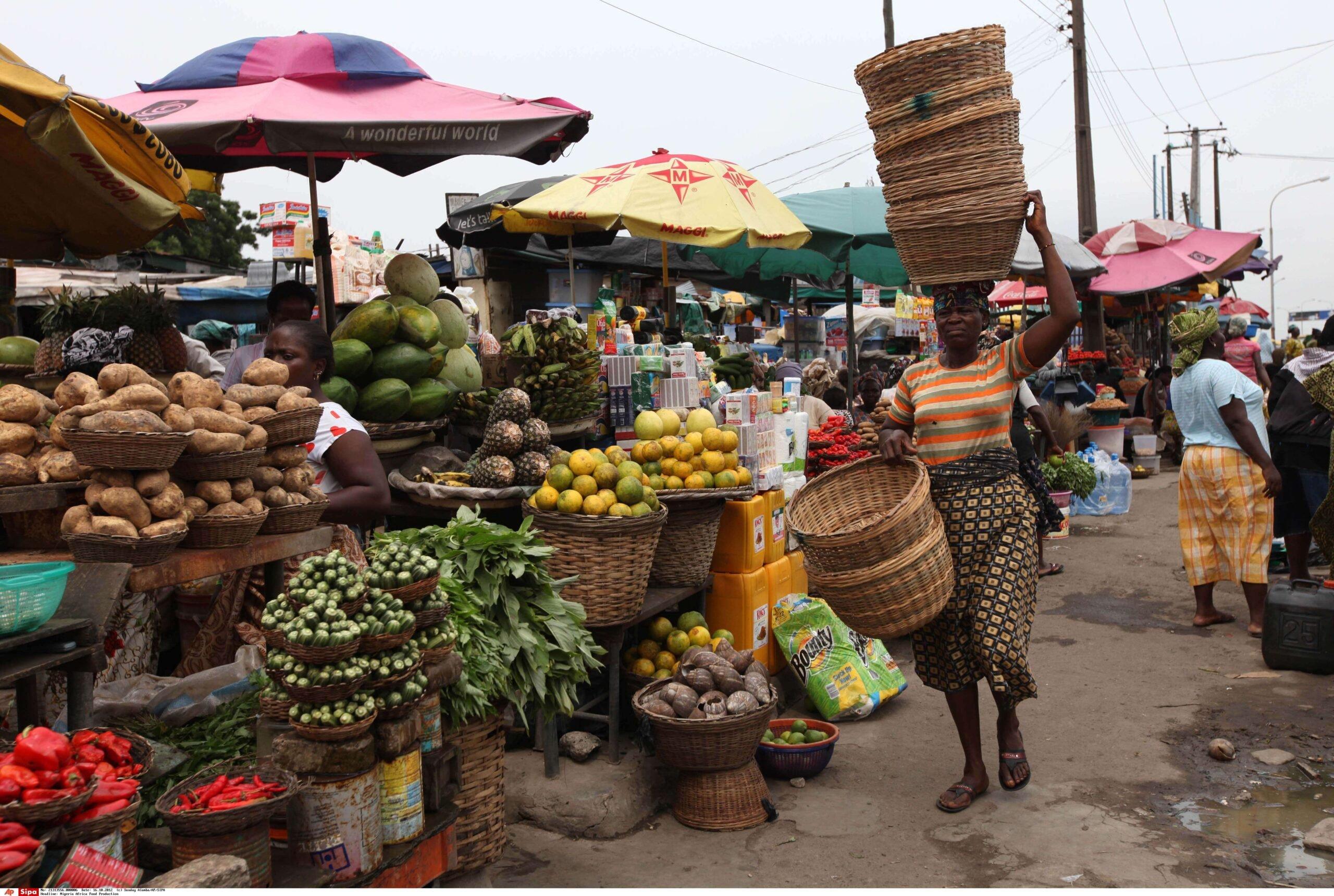
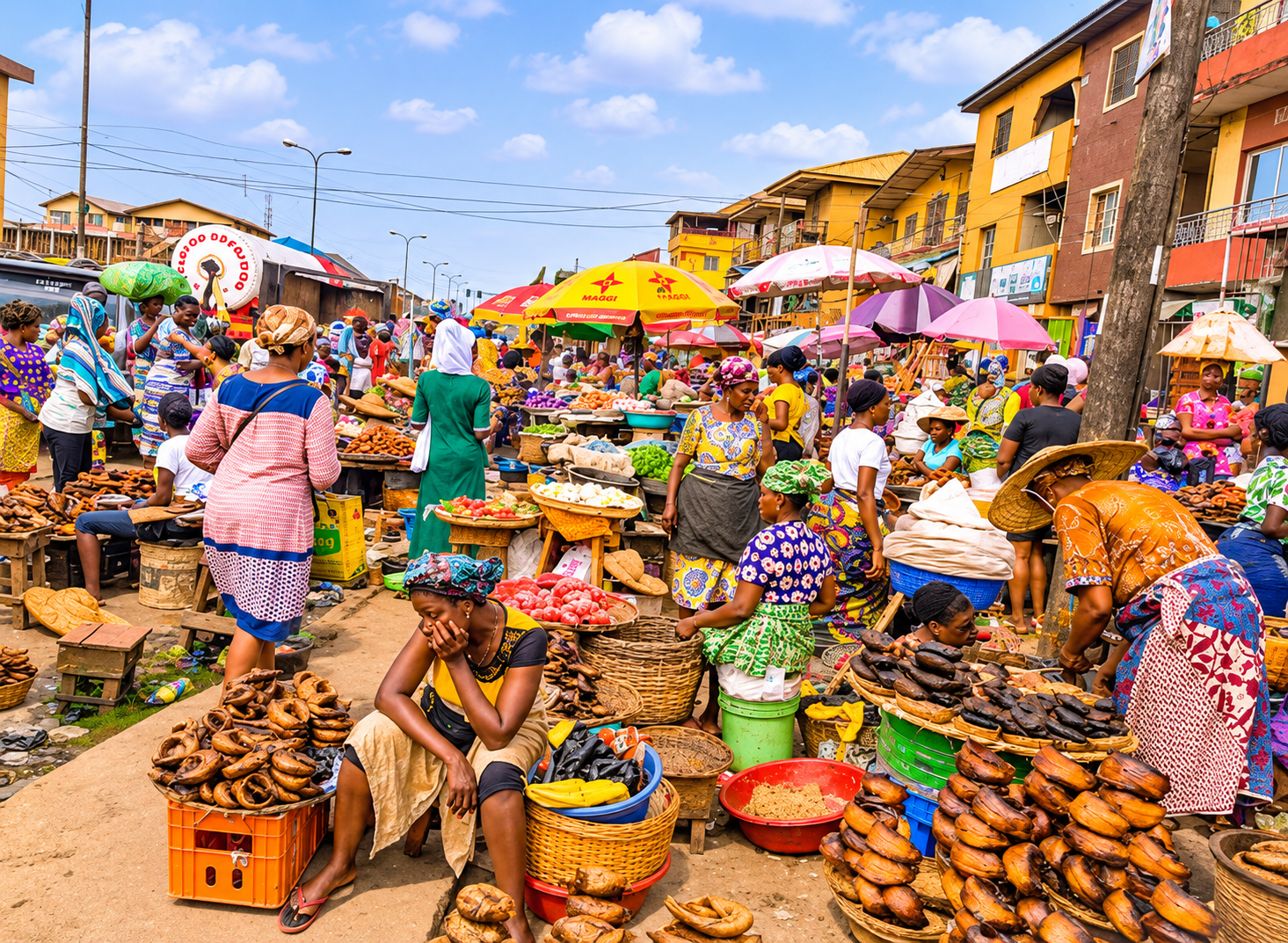
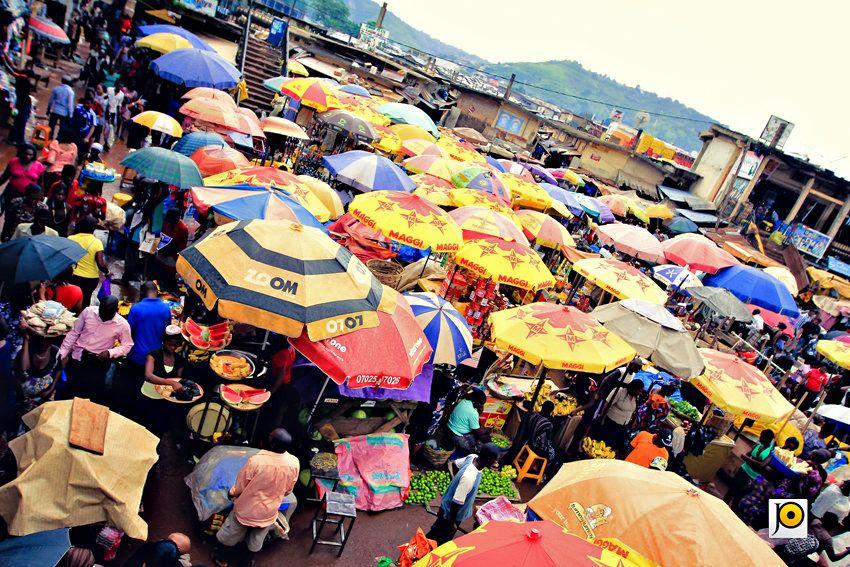
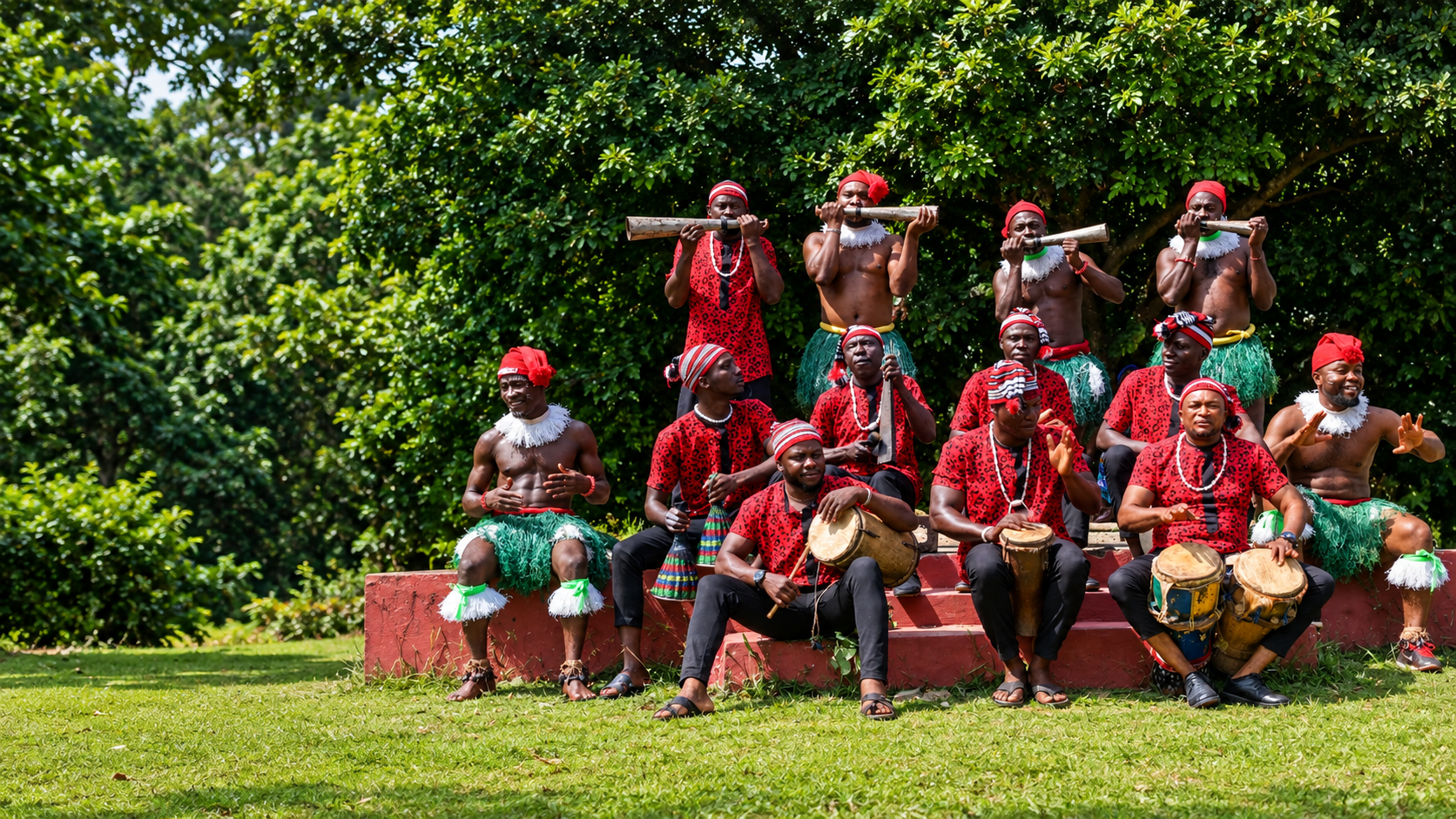
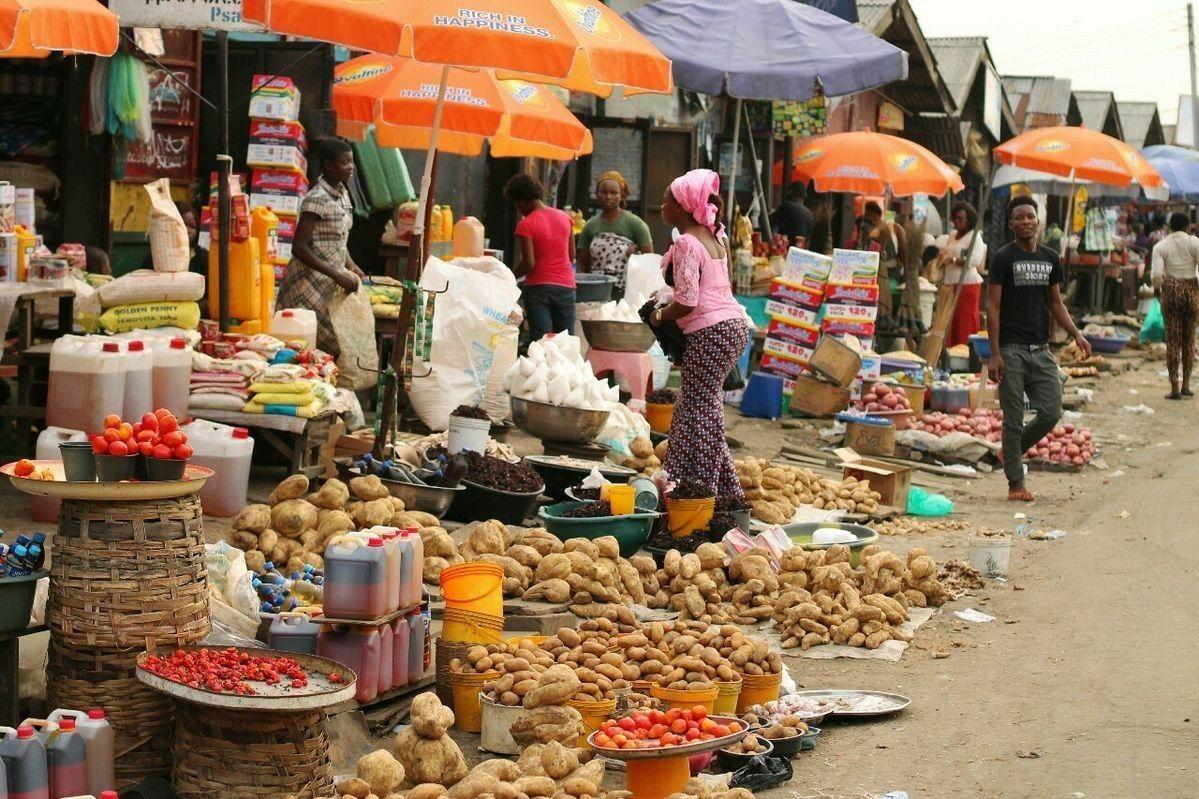
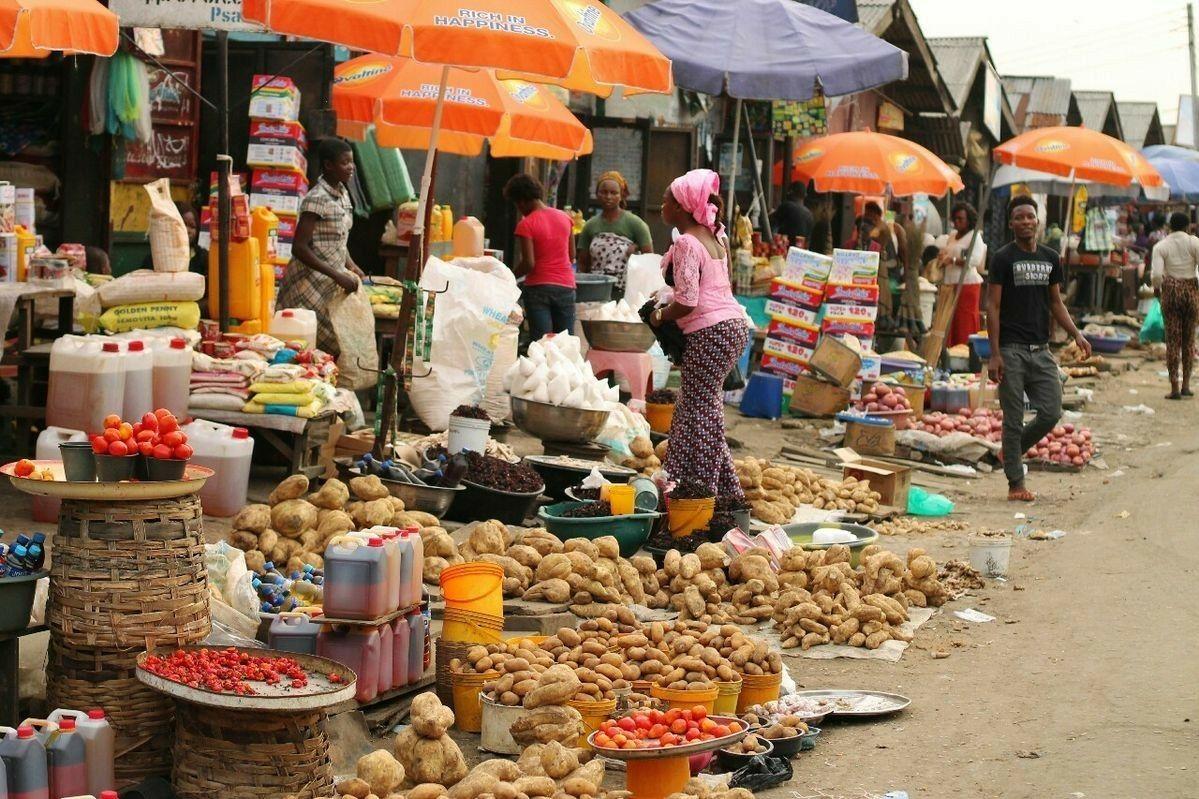
Eke is the first day in the traditional Igbo four-day market cycle in Enugu Ezike. It comes before Orie, followed by Afo and Nkwo. It is an important trading day when people from different villages come together to buy and sell farm produce, food, palm oil, palm wine, clothes and other goods.

Orie is the second day in the traditional Igbo four-day market cycle in Enugu Ezike. It comes after Eke and before Afo. In communities that observe Orie as their market day, people come together to buy and sell farm produce, food, household goods and other items. The cycle continues with Nkwo before returning to Eke.

Afo is the third day in the traditional Igbo four-day market cycle in Enugu Ezike. It comes after Orie and before Nkwo. It is a day for buying and selling. People bring farm produce, food, palm oil, clothes and other goods to the market. It also gives people from different communities a chance to meet and trade.

Nkwo is the fourth day in the traditional Igbo market cycle in Enugu Ezike. It comes after Afo and completes the four market days before the cycle starts again with Eke. It is a day when people come together to buy and sell farm produce, food, palm oil, palm wine, clothes and other goods. People also use the market as a place to meet friends, relatives and traders from other communities.
03Founding Lineage of Ezike Oba
Enugu Ezike's thirty-three autonomous villages trace their ancestral descent through four founding clans.
Itodo is one of the four traditional districts of Enugu-Ezike. It is named after Itodo, the second son of Ezike Oba, who was born to Osegbe. His descendants are known as Umu-Itodo. The district is made up of six traditionally recognised ancestral villages.
Essodo is one of the four ancestral districts of Enugu-Ezike. It is named after Essodo, the third son of Ezike Oba, who was born to Ayigwa. The district is made up of communities that share the same family history and heritage.
Essodo is one of the four traditional districts of Enugu-Ezike. It is named after Essodo, the third son of Ezike Oba, who was born to Ayigwa. The district has seven ancestral villages that share a common family history and connection to the people of Enugu-Ezike.
Ozzi is one of the four traditional districts of Enugu-Ezike. It is named after Ozzi, the fourth and last son of Ezike Oba, who was born to Osegbe. His descendants are known as Umuozzi. The district forms an important part of the history, identity and cultural heritage of Enugu-Ezike.
Gazetteer of Communities

Igogoro is a community in Enugu-Ezike, Igbo-Eze North, Enugu State, Nigeria. Explore its people, history, culture, places and local life.
Historical record, traditional leadership, and cultural observances of Aguibeje.
Historical record, traditional leadership, and cultural observances of Aji.
Historical record, traditional leadership, and cultural observances of Amachalla.
Historical record, traditional leadership, and cultural observances of Amaja.
Historical record, traditional leadership, and cultural observances of Amube.
04Customs, Festivals & Geography
Documenting the living festivals, sacred rites, historic squares, and natural sites that define Enugu Ezike.
HISTORICAL
The historic hill where Ezike Oba first settled.
Church / Catholic Parish
St. James' Catholic Parish is a Catholic church located in Igogoro, Enugu-Ezike, Igbo-Eze North Local Government Area, Enugu State, Nigeria. The parish is part of the Enugu-Ezike Deanery under the Catholic Diocese of Nsukka. It serves the Catholic faithful in Igogoro and provides a place for prayer, worship, Mass and other church activities. According to the official Catholic Diocese of Nsukka directory for 2026–2027, Rev. Fr. Solomon Abonyi is the Parish Priest of St. James' Catholic Parish, Igogoro. The parish is one of the recognised Catholic religious centres in Igogoro and forms part of the religious life of the community.
05Verified Photographic Collection
Editor-verified documentary photography capturing Enugu Ezike's architecture, festivals, markets, and landscapes.
Ancestral Records
Trace documented kindreds, ancestral connections, and verified family lineages across the four patriarchal clans.
Open Genealogy IndexArchive Research
Query verified records across all 33 villages, the four-day market cycle, and documented cultural traditions.
Consult AssistantCommunity Stewardship
Submit verified village corrections, elder oral histories, or original photography and receive contributor rewards upon approval.
Submit to Archive