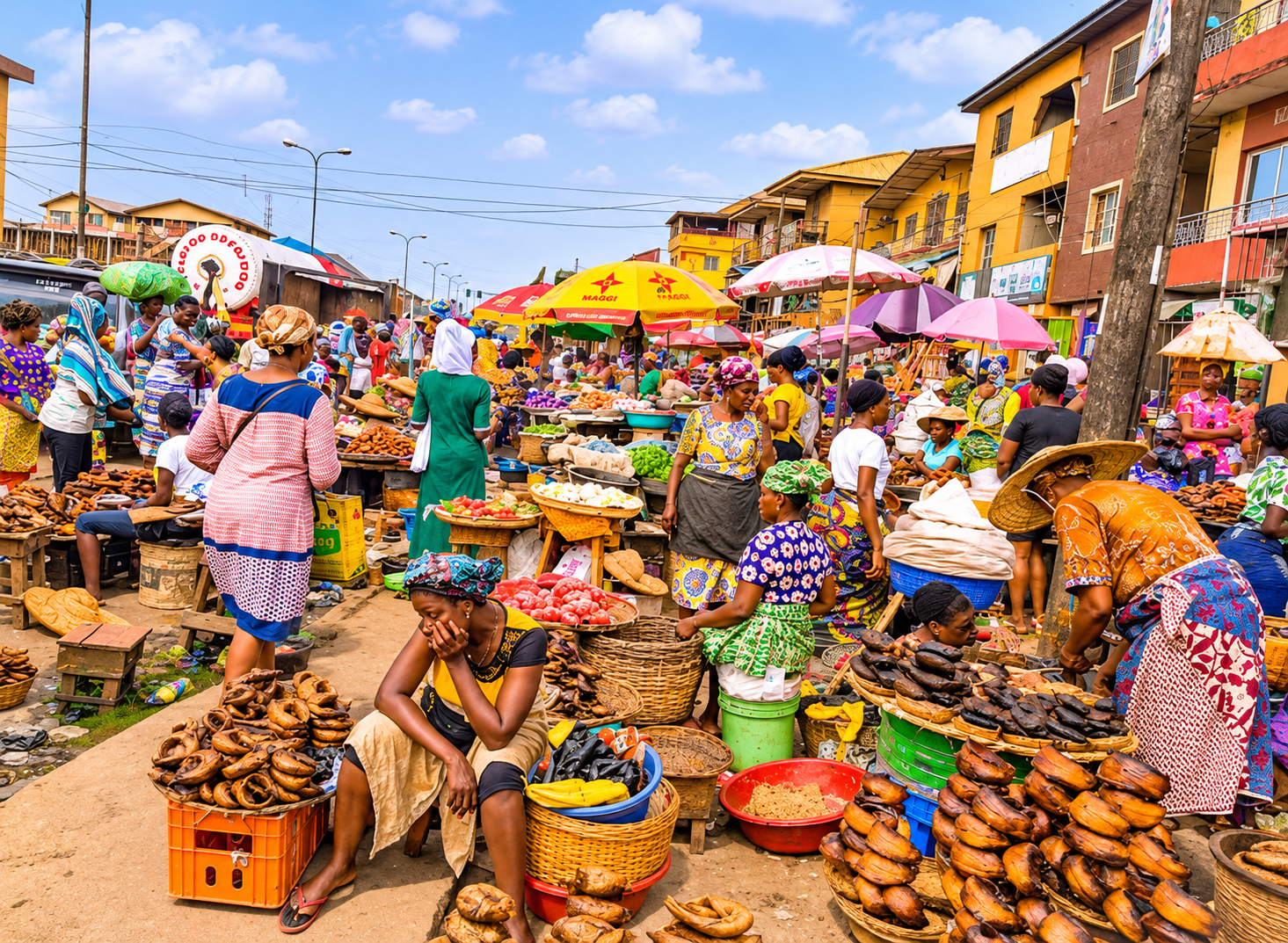
Afo is the third day in the traditional Igbo four-day market cycle in Enugu Ezike. It comes after Orie and before Nkwo. It is a day for buying and selling. People bring farm produce, food, palm oil, clothes and other goods to the market. It also gives people from different communities a chance to meet and trade.
Afo is one of the four traditional market days of the Igbo people. It has an important place in the trading and social life of the community. Market days bring people together. Farmers bring their crops, traders sell their goods, and buyers come from different places to purchase what they need. Apart from trading, people also use market days to meet friends, visit relatives, share news and keep in touch with other communities. The way Afo is celebrated and observed may differ from one village to another in Enugu Ezike.
Traditional rules connected with Afo may differ from one village to another. In some Igbo communities, major events such as weddings and burials are not held on the main market day. Some villages may also have special customs and traditional activities connected with Afo. People are expected to respect the customs of their village. The exact rules should be confirmed with village elders and traditional leaders.
No patriarchal districts linked to Afo yet.
No market squares or landmarks linked to Afo yet.
No custodian families linked to Afo yet.
Help us document every market square, traditional restriction, masquerade, and village schedule associated with Afo across Enugu-Ezike.
