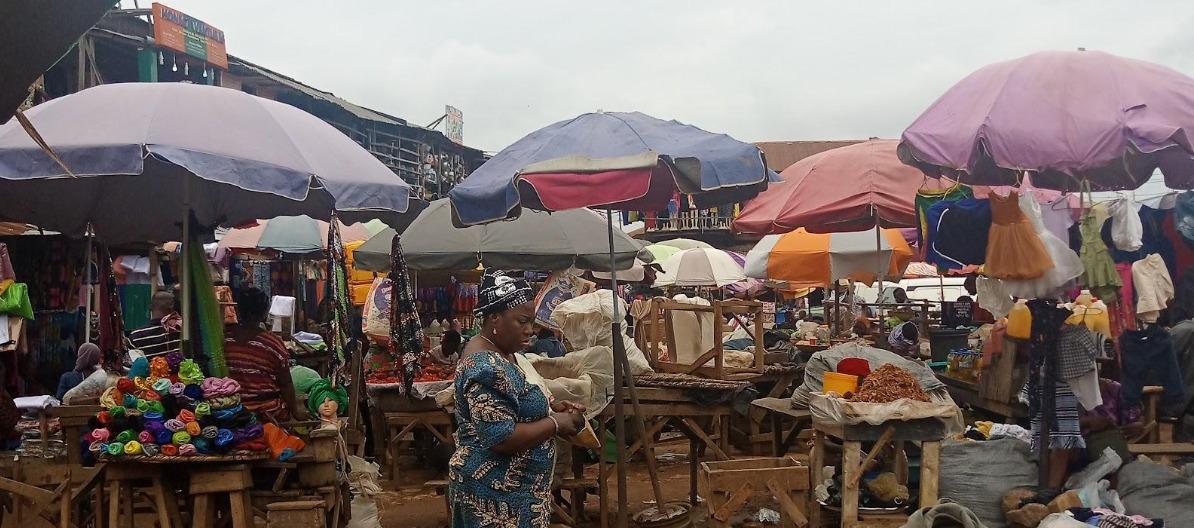
Orie is the second day in the traditional Igbo four-day market cycle in Enugu Ezike. It comes after Eke and before Afo. In communities that observe Orie as their market day, people come together to buy and sell farm produce, food, household goods and other items. The cycle continues with Nkwo before returning to Eke.
Orie is an important part of the traditional life of the people of Enugu Ezike. The four market days, Eke, Orie, Afo and Nkwo, help people organise their trading activities and community life. In the past, and still today, market days have been important meeting times. People come from different villages to buy and sell goods, meet friends, exchange news and maintain relationships with neighbouring communities. The way Orie is observed may differ from one village to another. Each village has its own history and customs connected to its market day.
Traditional rules connected with Orie may differ from one village to another. In some Igbo communities, weddings, burials and other major gatherings are avoided on the community's main market day so that people can take part in market activities. The exact rules followed on Orie in each Enugu Ezike village should be confirmed with the village elders and traditional leaders. These customs should be respected and properly recorded.
No patriarchal districts linked to Orie yet.
No market squares or landmarks linked to Orie yet.
No custodian families linked to Orie yet.
Help us document every market square, traditional restriction, masquerade, and village schedule associated with Orie across Enugu-Ezike.
