Enugu Ezike Cultural Heritage Logo
ENUGU EZIKEDigital Encyclopedia
Contribute & Earn
Enugu Ezike Heritage Logo
Enugu Ezike Heritage33 Villages • 4 Districts • 1 Heritage

Preserving and sharing the living history, villages, four-day market cycle, traditions, and family lineages of Enugu Ezike for present and future generations.

Igbo Market Days

EkeOrieAfoNkwo
Contribute & Earn

Explore Heritage

  • 33 Villages
  • 4 Patriarchal Districts
  • 4-Day Market Cycle
  • Cultural Traditions
  • Landmarks & Squares
  • Genealogy & Lineages

Archive & Community

  • Heritage Articles
  • Photo Gallery
  • AI Heritage Assistant
  • Advanced Search
  • Contribute & Earn
  • Member Dashboard
  • About Enugu Ezike

Contact & Directory

Enugu Ezike, Igbo-Eze North LGA, Enugu State, Nigeria
info@izunwaonu.com.ng

Index & Directories

XML SitemapVillages DirectoryArticles Index

© 2026 Enugu Ezike Heritage Foundation. All rights reserved.

SitemapContributor GuidelinesAbout
Enugu Ezike 4-Day Market Cycle: Eke, Orie, Afo & Nkwo | Enugu Ezike Heritage | Enugu Ezike Digital Encyclopedia
Back to Articles
Market Days & Economy Verified Archive

The Four-Day Market Cycle of Enugu Ezike: Eke, Orie, Afo, and Nkwo

How the traditional Igbo market week structures commerce, social life, and sacred observances across the 33 villages.

Enugu Ezike Editorial Archive21 November 20262 min read2 Citations
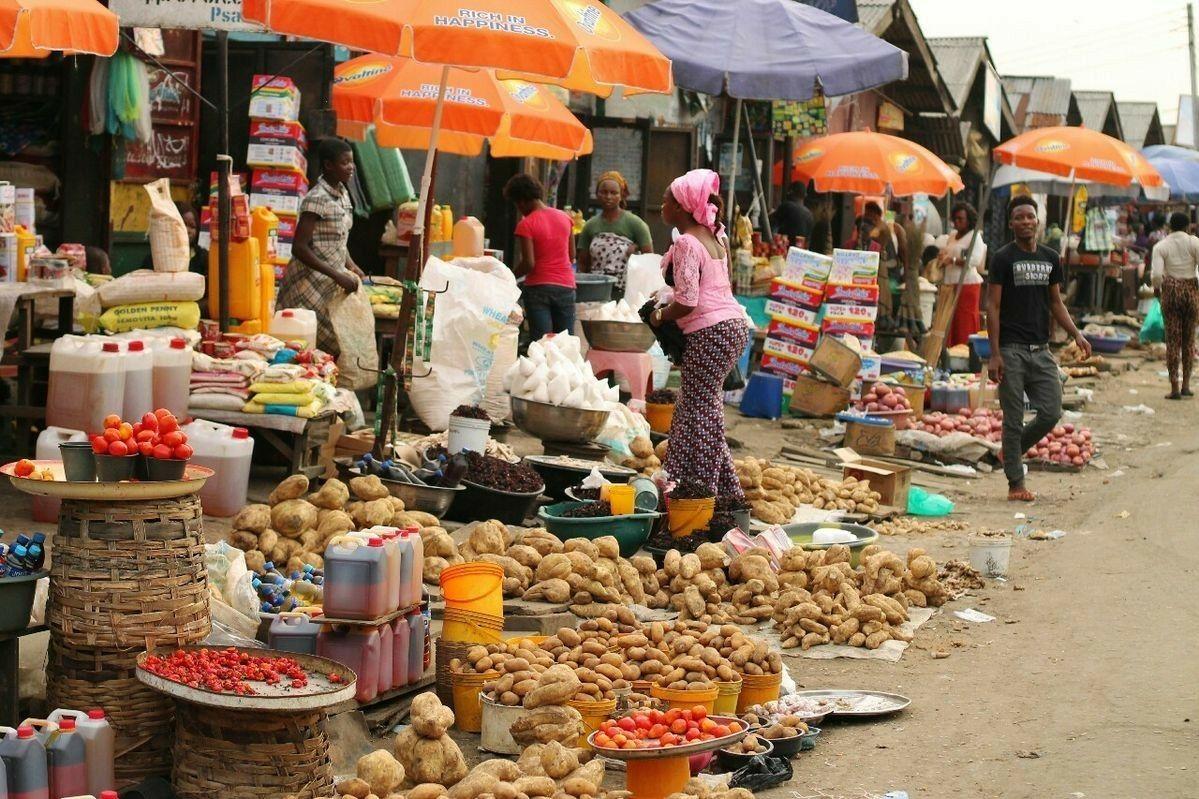
Early morning trade and community gathering at an Enugu Ezike market square.
Early morning trade and community gathering at an Enugu Ezike market square.Credit: Enugu Ezike Heritage Archive
In This Article (4 sections)
  • The Rhythm of the Four-Day Week
  • Commercial and Social Functions
  • Sacred Observances and Market Peace
  • Preserving the Cycle Today

The Rhythm of the Four-Day Week

Across Enugu Ezike, time is not measured solely by the seven-day Gregorian calendar. Traditional life, agricultural trade, and communal gatherings revolve around the four-day Igbo market cycle: Eke, Orie, Afo, and Nkwo [1].

"Ahia bụ ndụ obodo

— The market is the lifeblood of the community." — Enugu Ezike Proverb

Each of the four days carries distinct commercial roles and ancestral observances across the four patriarchal districts of Ezzodo, Itodo, Essodo, and Ozzi .

Continue Exploring Enugu Ezike

History & Origins

The True History of Omabe in Amube

3 min read

[2]

Commercial and Social Functions

Markets in Enugu Ezike serve far beyond buying and selling. They function as:

  • Economic hubs for palm oil, yams, cassava, garri, and livestock.
  • Information centers where town criers and kindred representatives share announcements.
  • Social arenas for strengthening ties between neighboring villages and diaspora visitors.

Sacred Observances and Market Peace

Historically, fighting or spilling blood within a market square was strictly forbidden. Market days also guide the scheduling of traditional marriages, title-taking, and seasonal festivals such as Omabe [1].

Preserving the Cycle Today

Even with modern highways and digital commerce, the four-day cycle remains the heartbeat of Igbo-Eze North. Documenting each village's primary market day ensures future generations understand both where and when their ancestors gathered [2].

#Market Days#Eke#Orie#Afo#Nkwo#Economy#Enugu Ezike

References & Sources

  1. 1

    Igbo Market Days and Traditional Timekeeping in Northern Igboland (2025)

    Council of Elders Oral Documentation • Enugu Ezike Cultural Heritage Archive

  2. 2

    Commerce and Social Structure Across the Four Districts of Enugu Ezike (2026)

    Community Field Survey • Igbo-Eze North LGA, Enugu State

Documented By

Enugu Ezike Editorial Archive

Community historians documenting the villages, traditions, and lineages of Enugu Ezike.

Suggest Edit or Add Photo

Table of Contents

  • The Rhythm of the Four-Day Week
  • Commercial and Social Functions
  • Sacred Observances and Market Peace
  • Preserving the Cycle Today

Linked Heritage Records

Villages

AmufieAmachallaImufuIgbeleIkpuigaAjiEkposhiOgruteEzilloNkpamuteOkataIgogoroIkpamodoOkpoAmajaIsugwuInyiAmubeOgboduAguibeje

Market Days

NkwoOrieEkeAfo