What Marriage Means in Igogoro
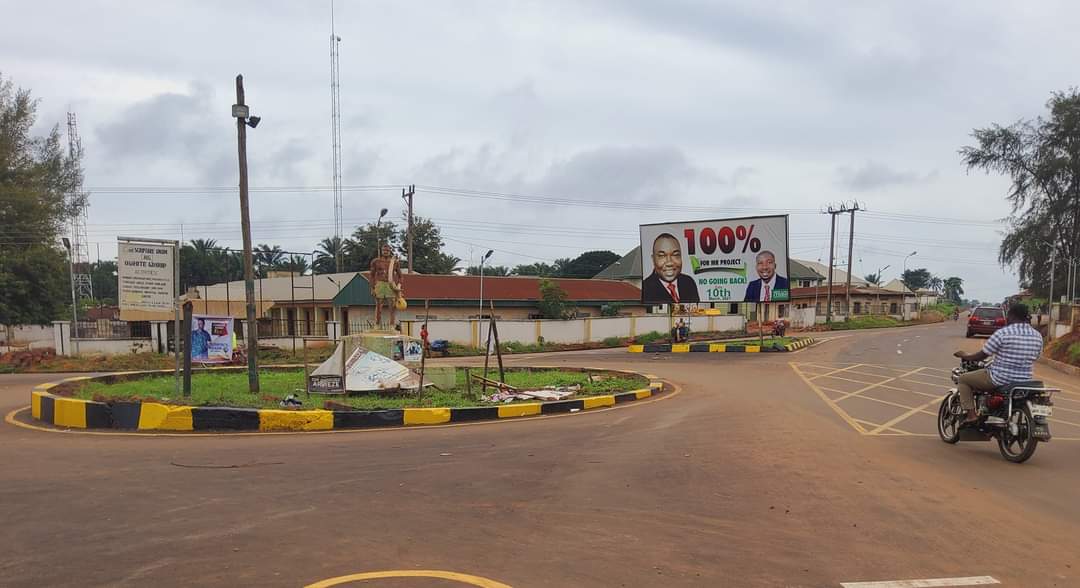
Igogoro is one of the 33 villages of Enugu-Ezike in Igbo-Eze North Local Government Area of Enugu State. Igogoro belongs to the Ozzi clan, the fourth son of Ezike Oba [6].
In Igogoro, marriage does not join only one man and one woman. It joins two whole families (Umunna) and makes them in-laws (Ndi Ogo) for life [2][6]. Because marriage is a family union, parents, elders, uncles, aunts, and village groups all take part from the first day [2][6].
How Igogoro Families Welcome Marriage Visitors
Igogoro people are known across Enugu-Ezike for warm hospitality (Ileta Ndi Obia) and pure fresh palm wine [6].
When visitors come to an Igogoro compound for marriage talks, the host family first offers clean drinking water as a sign of peace and welcome [6]. After water, the host brings out kola nut (Oji Igbo), garden egg with spiced groundnut paste (ose oji), and fresh palm wine [6].
Igogoro is famous for tapping pure palm wine from standing palm trees, called Nkwu-Elu [6]. Skilled palm wine tappers (Diochi) tap this wine fresh every morning. Elders value the rich bottom cup (ike mmanya) most of all [6]. Serving real, pure palm wine at a marriage visit shows deep respect for the bride's family [6].
The Main Steps of Marriage in Igogoro
Traditional marriage in Igogoro follows the clear steps practiced across Enugu-Ezike [2][6].
1. Telling the Parents and Checking Family Background (Iju Ese)
When a young man meets a woman he wants to marry, he tells his father or an elder in his family [2]. Before anything big happens, both families ask quiet questions about each other. This step is called Iju Ese [2][6].
The parents and elders check three simple things:
- They make sure the man and woman are not close blood relatives who cannot marry.
- They check if the man, the woman, and their families have good character and live in peace with others [2].
- They check the family history so both sides know the home is safe and honest [2][6].
2. Knocking on the Door (Iku Aka)
When both sides are happy, the groom goes with his father, uncles, or older relatives to visit the bride's father's house [2][6]. They bring kola nuts and fresh palm wine.
They tell the bride's family plainly that their son wants to marry their daughter. The bride's father asks his daughter if she knows the man and wants to marry him. No bride price is paid on this first visit [6].
3. Bride Price Talks and Polite Family Words (Ime Ego)
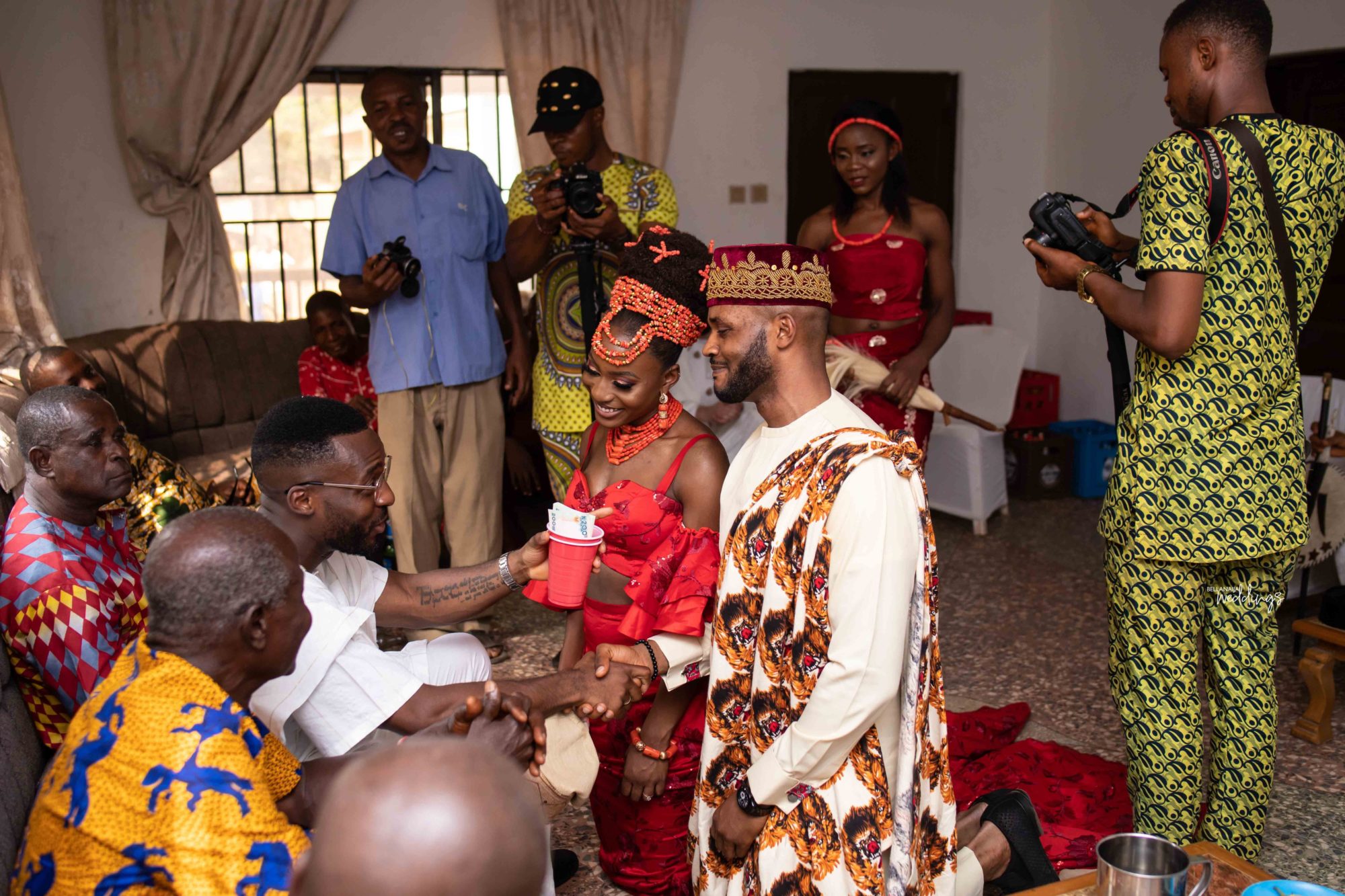
Next, the groom's family returns to collect the marriage list and talk about the bride price (Ego Isi) [2][6].
A 2024 university study recorded real marriage talks in Enugu-Ezike [2]. The researchers found that both families speak with gentle, polite words so everyone stays friendly during the talks [2]. They call each other Ogo (in-law) and show respect to the bride's father (Nna nwunye-m) and mother [2].
In Igogoro and Enugu-Ezike, a daughter is never sold like a market item. The bride price itself is kept small and symbolic [6]. Most of the marriage list is made up of kola nuts, palm wine, drinks, food, and small gifts shared among the bride's parents, the men of the family (Umunna), the daughters of the family (Umuada), the wives married into the family (Ndi Inyom), and the village youths [6].
Because every family and kindred in Igogoro may have small differences in its marriage list, exact item counts and fees are always given directly by the bride's family and Igogoro elders [6].
4. The Wine-Carrying Wedding (Igba Nkwu) and Wedding Songs
Igba Nkwu is the big public wedding day held in the bride's compound or village square [6]. Family members, friends, and neighbors gather to celebrate.
Here is what happens on that day:
- *Kola nut prayer (Iwa Oji): The oldest man in the family (Onyishi*) or the bride's father breaks the kola nut and prays for long life, peace, and children for the couple [6].
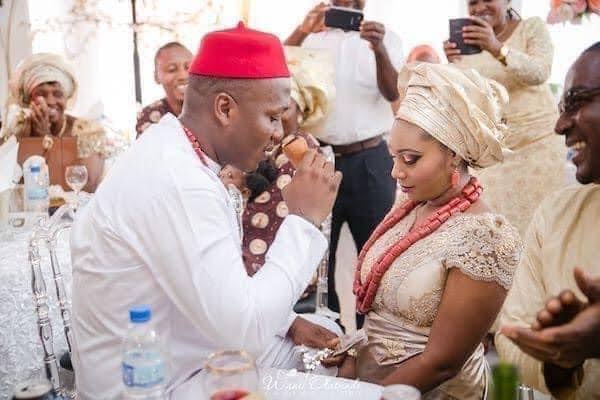
- Finding the husband: The bride's father pours fresh palm wine into a cup and hands it to his daughter. He asks her to walk through the crowd and give the cup to the man she chose to marry [6].
- Women's wedding songs: Research on Igbo marriage songs shows that village women and friends sing joyful songs during Igba Nkwu [3]. In these songs, they ask the bride to point out her husband, joke with the groom, and advise him to love and take good care of their daughter [3].
- Kneeling and drinking: When the bride finds her husband, she kneels and gives him the cup of palm wine. He drinks it and often drops a gift of money inside the cup. Everyone cheers because this proves both of them chose each other freely [6].
- Parents' blessing: The husband and wife walk back and kneel before the bride's father and mother for their final prayers and blessing [6].
5. Taking the Bride to Her New Home (Idu Uno)
After Igba Nkwu, the bride's mothers, sisters, and relatives walk with her to her husband's house [6]. They carry cooking pots, plates, clothes, food, and house items so she starts her new home with honor and full family support [6].
Who Plays a Role in an Igogoro Wedding
An Igogoro traditional wedding works smoothly because every group in the village has a job [6]:
- The bride's parents: Give their consent, host the visitors, and bless the new couple [2][6].
- *The Onyishi: As the oldest living man in the family group or village, the Onyishi* leads traditional prayers and gives elder blessings [6].
- *The Umunna (men of the kindred):* Witness the bride price talks and confirm that the marriage is proper [6].
- *The Umuada (daughters of the family, led by the Ishi-Ada):* Sing, guide the bride, and lead key parts of the ceremony [3][6].
- *The Ndi Inyom (wives married into the family):* Cook, welcome guests, and escort the bride to her new home [6].
Picking a Wedding Day Around Nkwo Market and Okpa Uche
Igogoro follows the traditional Igbo four-day week: Eke, Orie, Afo, and Nkwo [6].
Igogoro's main market day is Nkwo (Nkwo Ulo Igogoro), where people buy and sell farm produce and fresh palm wine [6]. Igogoro also celebrates its famous annual Okpa Uche festival around November, with preparations starting about seven days ahead [6].
Before fixing a date for Iku Aka or Igba Nkwu, Igogoro families check the four-day market calendar and speak with village elders so the wedding does not clash with busy market trading or village festival days [6]. Many weddings happen between November and January or during Easter when Igogoro sons and daughters living away return home [6].
Faithfulness, Ndi-ishi, and Care After Marriage
After the wedding, the two families stay close for life [6]. When the wife gives birth to a baby, her mother or a close female relative comes to stay with her for Omugo to cook warm soup, bathe the baby, and help the new mother rest [6]. Visitors greet her with warm Enugu-Ezike words like Dare omugo and Aanya omugo [6].
In Enugu-Ezike history, marriage also has an old rule against adultery called Ndi-ishi (or Igba-ishi) [1][5]. In 2024, researchers from the University of Nigeria, Nsukka visited five Enugu-Ezike villages, including Igogoro, to ask people what they think about Ndi-ishi [1]. Many elders said the old rule was meant to keep marriages faithful, but many women and younger people pointed out that the punishment falls almost only on women while unfaithful men face much less blame [1][5]. Because of this, people in Igogoro and across Enugu-Ezike continue to talk about fairness and equal respect between husbands and wives [1][5].
Traditional Marriage and Church Weddings in Igogoro Today
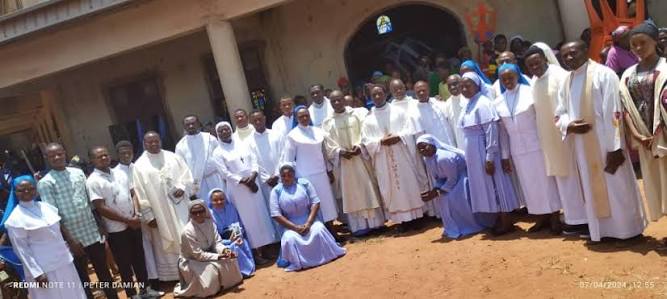
A 2024 study of Nsukka and Enugu-Ezike communities shows how Christian teaching shaped modern marriage [4]. Today, most Christian families in Igogoro hold both the traditional marriage (Igba Nkwu) in the family compound and a church wedding at their parish [4][6].
In practice, families still hold Igba Nkwu first or during the same week. This is because, in Igogoro, the parents' blessing and the agreement of both Umunna remain the true root of every respected marriage [4][6].
Help Keep Igogoro's Marriage Record Complete
No public book online lists Igogoro's exact village marriage list items or every local Igogoro dialect word used during marriage talks. If you are an Igogoro elder, Onyishi, Ishi-Ada, or indigene who knows the verified marriage list rules, Nkwo day guidelines, or kindred customs in Igogoro, please share them through the Contribution Studio at /suggest so we can preserve Igogoro's full record accurately [6].