
In This Article (8 sections)
Why People Ask About Ezike Oba's Origin
One of the most common questions about Enugu-Ezike in Igbo-Eze North Local Government Area of Enugu State is simple: Where did Ezike Oba come from? [1]
A clear guide to the three main accounts of Enugu-Ezike's roots: Benin, Idah (Igala), and Central Igboland, plus what historians say about each one.
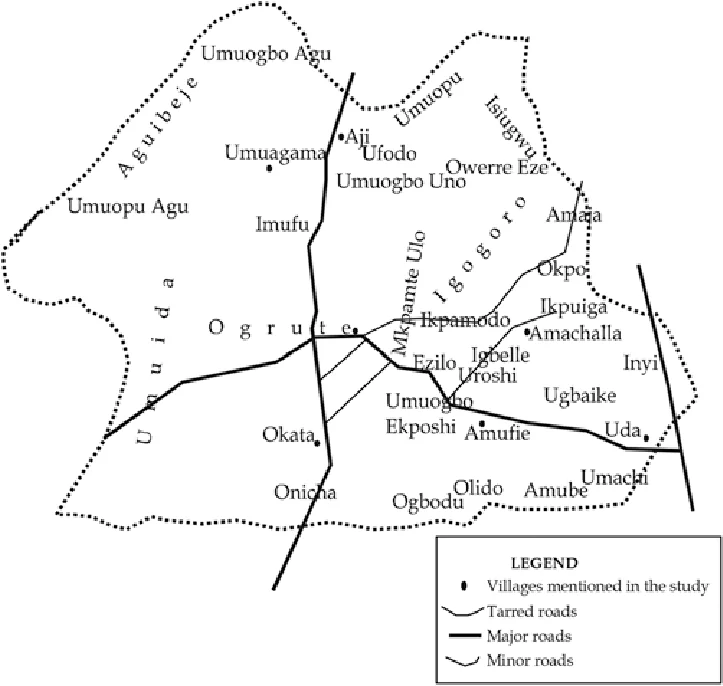
One of the most common questions about Enugu-Ezike in Igbo-Eze North Local Government Area of Enugu State is simple: Where did Ezike Oba come from? [1]
Read the full history of the Enugu-Ezike Clergy, Religious, and Aspirants Association (ECRAA), from its founding in 1979 by Very Rev. Fr. Dr. Charles Onuh to its leadership timeline, cultural impact, global mission, and departed members.
5 min read

Read how traditional marriage works in Igogoro, Enugu-Ezike in plain, simple English, from knocking on the door and background checks to Igogoro palm wine, wedding songs, Nkwo market planning, Ndi-ishi rules, and church weddings.
8 min read
People across Enugu-Ezike and online often mention three different places: Benin (Edo), Idah (Igalaland), and Central Igboland (around Awka and Enugwu-Ukwu) [1][5].
Historians who studied Enugu-Ezike say it is best to look at all the known accounts side by side instead of hiding facts that do not match one story [1].
In his 2022 study at the University of Nigeria, Nsukka, historian Apex A. Apeh explains that studies of Enugu-Ezike's origin fall into two main groups [1]:
Even though these groups tell the travel story differently, they all agree that Ezike Oba settled in the town and stands at the heart of Enugu-Ezike's identity [1].
Within the oral history of Ezike Oba, there are three well-known accounts of where he started his journey [1].
This is the most widely told story in Enugu-Ezike today [1][5]. It links Ezike Oba to the ancient Benin Kingdom (known in Igbo as Obodo Iduu) [1].
There are two common versions of this story:
The second account says Ezike Oba came directly from Idah in Igalaland (in today's Kogi State) [1].
The third account places Ezike Oba's earliest roots inside Central Igboland, around the Nri-Awka upland [1][2].
Historians like A. E. Afigbo and Apex A. Apeh point out two helpful facts when reading these old stories:
Apeh (2022) also notes that some popular guesses about why Enugu-Ezike became so heavily populated need more proof, because the town had sandy soil and no major streams or rivers compared with the Anambra River valley [1]. He calls for more careful historical and archaeological work in Enugu-Ezike so future generations have even stronger answers [1].
No matter which travel route a family remembers, every historical account agrees on what happened after Ezike Oba arrived at Amube Hill (known as Ufu or Elugwu Ezike) [1][5]:
Those four sons grew into the 33 villages of Enugu-Ezike that stand together today [5].
The Edo Origin of Ezikeoba: A Reappraisal (2022)
Apex A. Apeh • Sapientia Global Journal of Arts, Humanities and Development Studies (SGOJAHDS), Vol. 5, No. 1, March 2022, pp. 123-133
View External SourceRopes of Sand: Studies in Igbo History and Culture (1981)
Adiele E. Afigbo • University Press Limited / Oxford University Press, Ibadan
The Igbo-Igala Borderland: Religion and Social Control in Indigenous African Colonialism (1971)
Austin J. Shelton • State University of New York Press, Albany
The Ibo and Ibibio-Speaking Peoples of South-Eastern Nigeria (1950)
Daryll Forde and G. I. Jones • International African Institute, London
Njirimara Obodo M: Igogoro, Enugu-Ezike (2016)
Justus Izuchukwu Onuh • Department of Philosophy, Bigard Memorial Seminary, Uwani Enugu
View External SourceDocumented By
Enugu Ezike Editorial Archive
Community historians documenting the villages, traditions, and history of Enugu-Ezike.
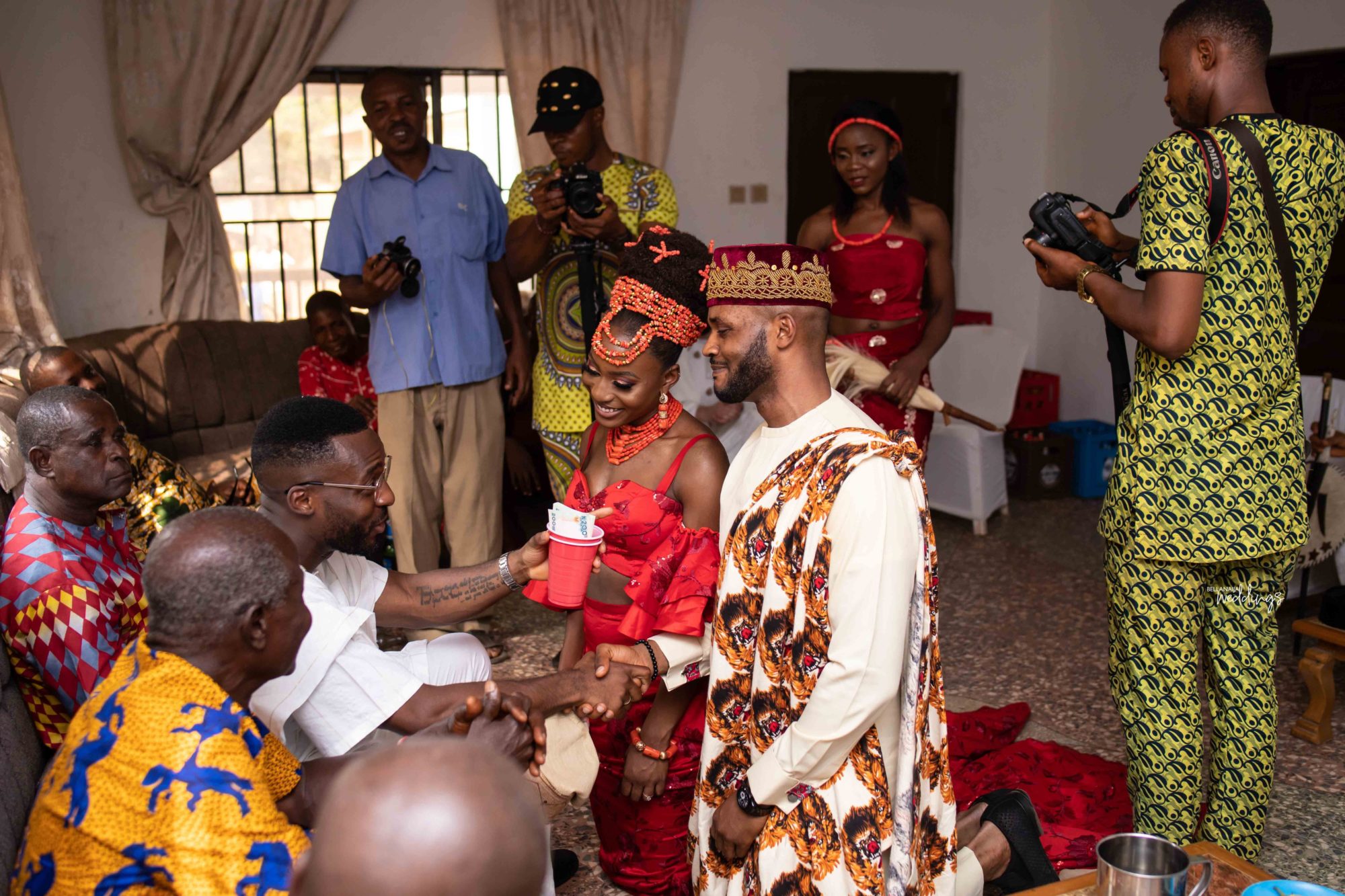
Learn how traditional marriage works in Enugu-Ezike from the first family visit and background checks to bride price, kola nut prayers, palm wine carrying (Igba Nkwu), and how families combine custom with church weddings today.
10 min read