Where the Enugu-Ezike Dialect Fits in the Igbo Language
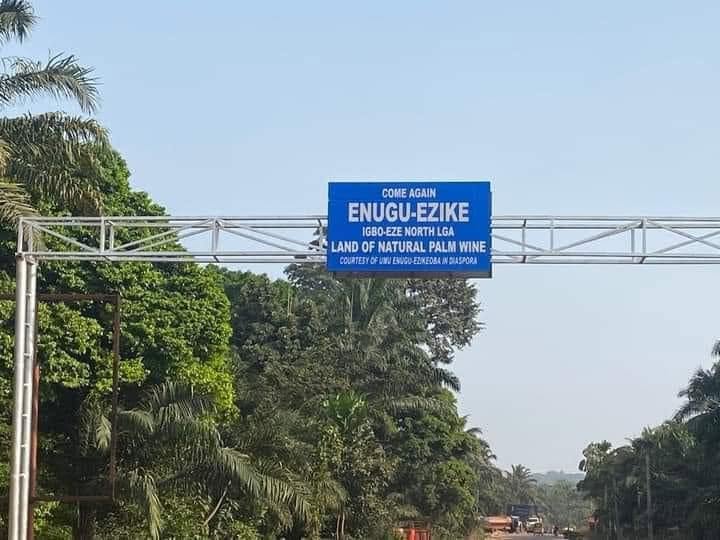
People in Enugu-Ezike speak a distinct variety of the Igbo language spoken across Igbo-Eze North Local Government Area of Enugu State [1].
In her well-known classification of Igbo dialects, linguist Clara I. Ikekeonwu (1987) grouped Igbo into five main dialect clusters [2][3]. She placed Enugu-Ezike inside the Waawa Igbo (Northern Igbo) cluster as a satellite dialect of Nsukka, alongside Obukpa and Aku [2][3]. Linguist Gabriella I. Nwaozuzu (2008) also documented Enugu-Ezike among the northern Igbo dialects in her book Dialects of Igbo Language [4].
Linguistic research by Linda Chinelo Nkamigbo (2011) notes that the Enugu-Ezike dialect has 27 consonant sounds, compared with 28 consonants in Standard Igbo [2]. Its vocabulary, rhythm, and greeting expressions set it apart immediately whenever Enugu-Ezike people speak together at home or abroad [1][2].
Why Greetings Are Important in Enugu-Ezike
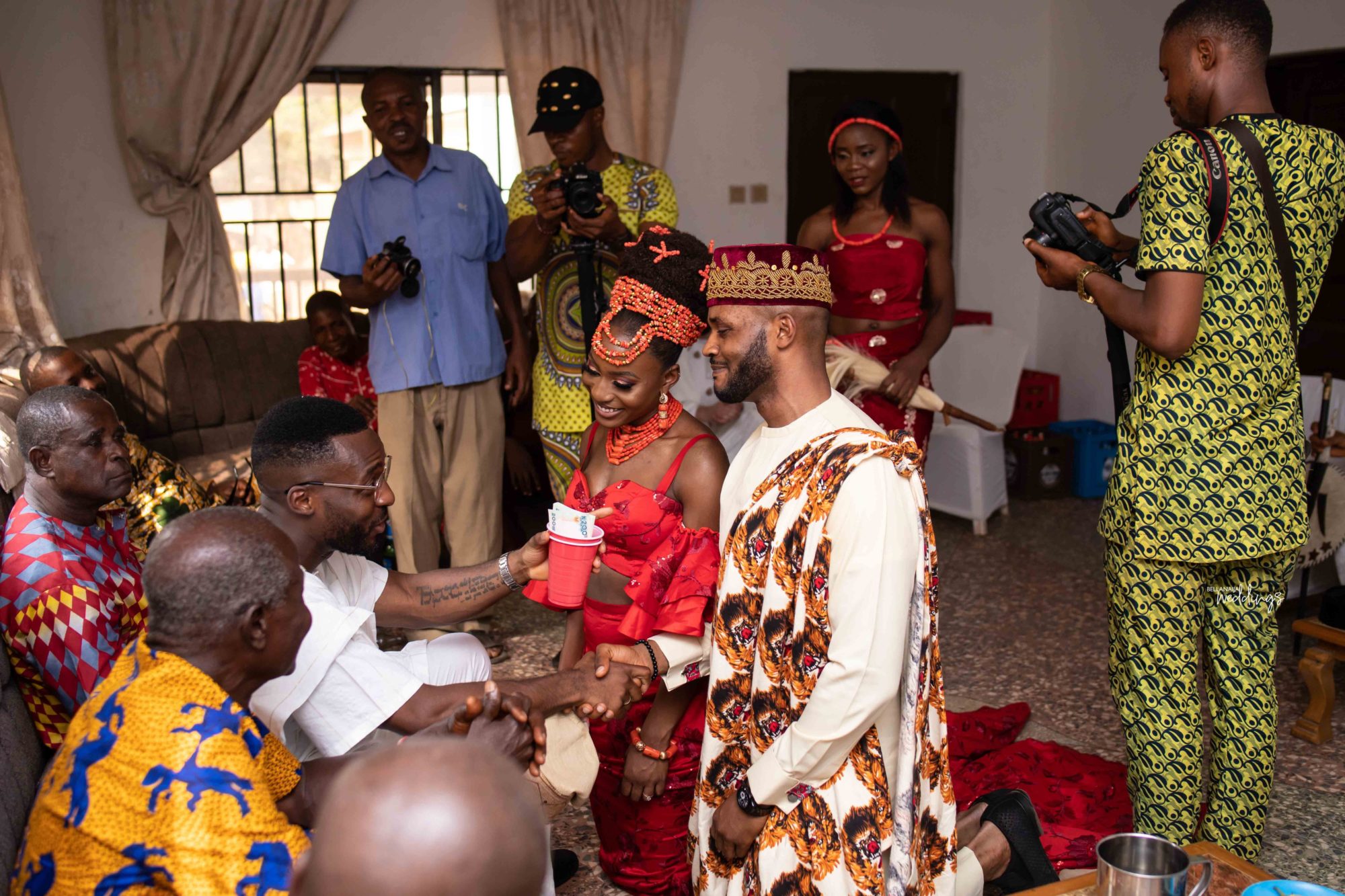
In Enugu-Ezike, greeting someone is much more than saying hello. A greeting shows respect for age, recognizes hard work, welcomes visitors, celebrates childbirth, honors community leaders, and comforts families during loss [1].
In 2021, four linguists at the University of Nigeria, Nsukka (Juliana Ginika Mamah, Jacinta Ukamaka Eze, Bestman Esegbuyiota Odeh, and Ifeanyi John Nwosu) published a field study documenting traditional greetings across Enugu-Ezike [1]. They organized these greetings into clear everyday and ceremonial groups [1].
Traditional Enugu-Ezike Greetings and Their Meanings
1. Daily Greetings
Used every morning and throughout the day at home and along village roads [1]:
- Ụnụ abọọ? - Good morning.
- Ụnụ ariọkwutego ishi eka nta? - Have you woken up?
- Oha nta eme agaa? - How is today going?
2. Welcome and Farewell Greetings for Visitors
Used when receiving guests into a compound and seeing them off [1]:
- Ala - Welcome.
- Ladoore - Goodbye / safe journey home.
- Dare ọnọdụ - Thank you for coming.
- Ahinya / maje ọnọkwuru - Thank you for staying.
3. Work and Effort Greetings
Used to encourage farmers, traders, builders, and anyone doing hard work [1]:
- Aanya ọrụ - Well done at work.
- Aanya akanya - Well done for your effort.
- Ike aturu - You have done well.
- Aanya amashi amashi - Thank you very much.
4. Childbirth and New Mother Greetings
Used when visiting a mother and family after the birth of a child [1]:
- Dare ọmụgọ - Well done for giving birth.
- Ọmụgọ atụrụ - Sympathy for the pain of childbirth.
- Aanya ọmụgọ - Thank you for giving birth.
- Orụ nwa atụrụ - Well done for taking care of the baby.
5. Respect and Leadership Greetings
Used for elders, priests, and titled community members [1]:
- Ude - Greeting to the eldest man in the community.
- Ọlụọ ọha - Greeting to priests of traditional deities.
- Ogbuleja - Greeting to someone who killed a cow for community festivities at a young age.
- Ojieshu - Greeting to a woman who buried her father-in-law or mother-in-law with a cow.
- Ogbuzuru - Greeting to someone who killed a cow for all groups in the community.
6. Praise and Appreciation Greetings
Used to admire character, strength, family care, or a major achievement [1]:
- Ọbụ eeke - Friendly praise showing brotherhood or close companionship.
- Ọgerewu - Warm admiration greeting for a young girl or boy.
- Ọkanagba nyanwu nyanwu - Praise for completing a very big task.
- Eeke shire shire - Praise to a man for a remarkable achievement.
- Ọnụehe atta - Praise to a married man who cares well for his family.
- Orukpo atta - Praise to a married woman who carries out her home duties well.
- Jikpa atta - Praise to a man for handling a tough task.
- Okomanyi koko - Praise greeting for a notable action.
- Onyeke gadagba - Greeting to a physically strong man or for an outstanding performance.
- Oonye atukwu - Greeting to a woman who lives up to the respect of her status.
7. Festival and Masquerade Greetings
Used during seasonal festivals across Enugu-Ezike [1]:
- Gbom ajeka - Greeting exchanged among male initiates during the Omabe festival.
- Odobo ishanyi shanyi and Ugwuoke Odobo - Greetings to the Akatakpa masquerade during the Ọnwa Esa festival.
- Mama Ndegbe - Greeting used among men during the Ndegbe moonlight masquerade.
8. Condolence Greetings
Used when comforting a bereaved family [1]:
- Gbagaa ọnwụ - Accept my condolences.
Why Linguists Say Enugu-Ezike Greetings Are at Risk
The 2021 University of Nigeria study warned that many traditional Enugu-Ezike greetings are slowly disappearing, especially among young people [1].
The researchers found that many native speakers now replace Enugu-Ezike greetings with English, Standard Igbo, or greetings borrowed from other Igbo dialects [1]:
- Instead of saying Ụnụ abọọ?, many people simply say "Good morning."
- Instead of saying Ala, many people say "Welcome" or "I ga adi ike ije."
- Instead of saying Aanya ọrụ, many people say "Well done" or "Deeje ọrụ."
When children grow up hearing mostly English or outside greetings at home, local expressions stop passing from parents to children and can die out within one or two generations [1].
How Families and Communities Can Keep the Dialect Alive
To stop these expressions from being forgotten, Mamah and her colleagues recommended practical steps that every Enugu-Ezike family can follow [1]:
- Use the dialect proudly at home: Parents and elders should greet children in the Enugu-Ezike dialect every day so young people grow up comfortable using it [1].
- Record and preserve local speech: Writing down local words, proverbs, and greetings in books, audio recordings, videos, and digital archives keeps them safe for future generations, including families living outside Enugu State [1].
- Research more parts of the dialect: The authors encouraged scholars from Enugu-Ezike to keep documenting other parts of the dialect before older speakers pass away [1].