Enugu Ezike Cultural Heritage Logo
ENUGU EZIKEDigital Encyclopedia
Contribute & Earn
Enugu Ezike Heritage Logo
Enugu Ezike Heritage33 Villages • 4 Districts • 1 Heritage

Preserving and sharing the living history, villages, four-day market cycle, traditions, and family lineages of Enugu Ezike for present and future generations.

Igbo Market Days

EkeOrieAfoNkwo
Contribute & Earn

Explore Heritage

  • 33 Villages
  • 4 Patriarchal Districts
  • 4-Day Market Cycle
  • Cultural Traditions
  • Landmarks & Squares
  • Genealogy & Lineages

Archive & Community

  • Heritage Articles
  • Photo Gallery
  • AI Heritage Assistant
  • Advanced Search
  • Contribute & Earn
  • Member Dashboard
  • About Enugu Ezike

Contact & Directory

Enugu Ezike, Igbo-Eze North LGA, Enugu State, Nigeria
info@izunwaonu.com.ng

Index & Directories

XML SitemapVillages DirectoryArticles Index

© 2026 Enugu Ezike Heritage Foundation. All rights reserved.

SitemapContributor GuidelinesAbout
Sacred Groves, Otobo Squares, and Ani Earth Worship | Cultural Heritage of Enugu-Ezike | Enugu Ezike Digital Encyclopedia
Sacred Groves, Otobo Squares, and Ani Earth Worship
RITE EndangeredACTIVE

Sacred Groves, Otobo Squares, and Ani Earth Worship

Last updated: November 24, 2026
About This Tradition

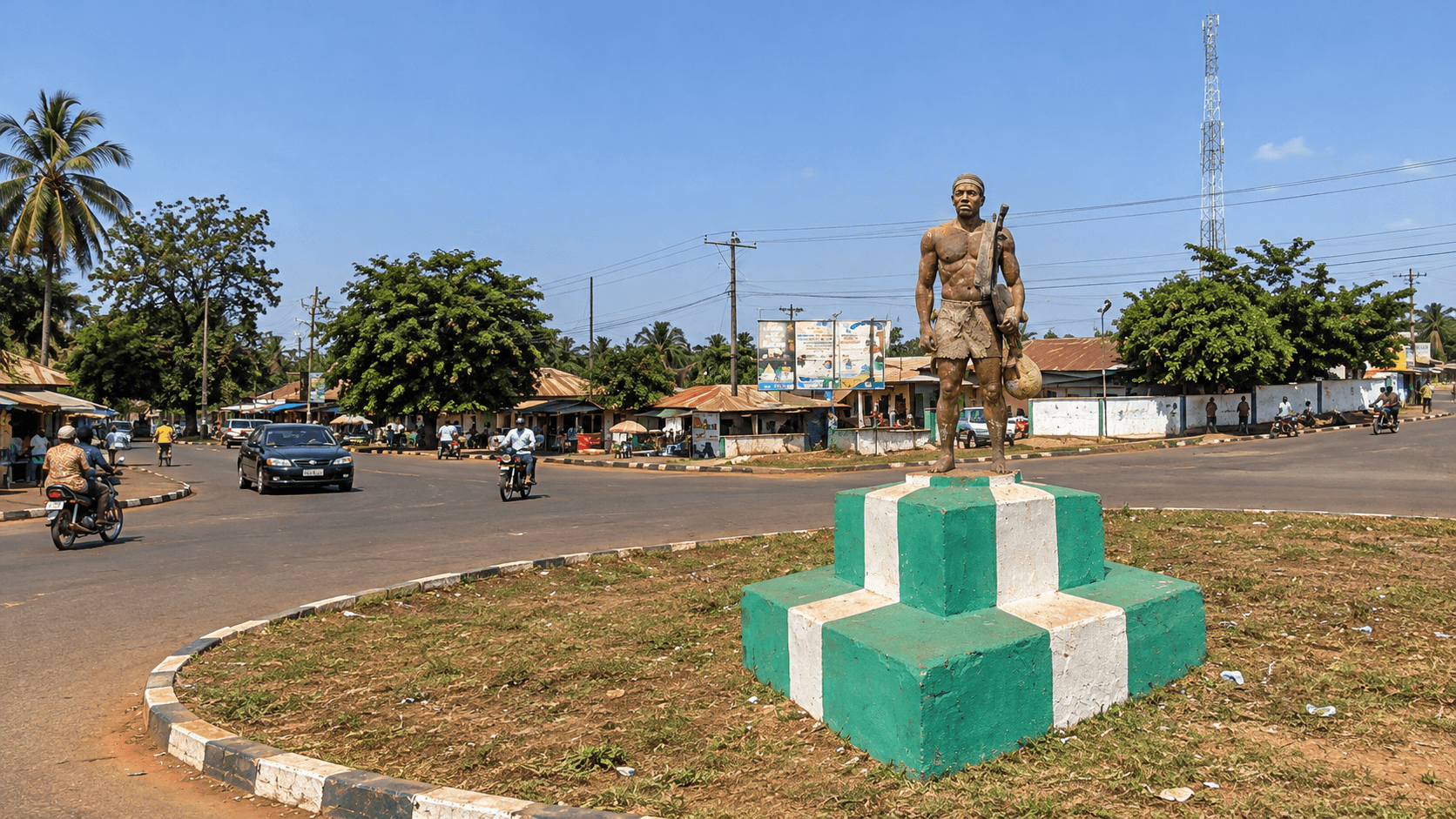
Across Enugu-Ezike's 33 villages, two historic shared spaces shaped daily community life: sacred groves dedicated to Ani (the Earth) and local deities, and open village squares called Otobo. Traditional land rules protected sacred forests from farming or cutting, while the Otobo square served as the center for village meetings, announcements, peace talks, and festivals. Today, many Otobo squares remain active civic centers, while most sacred forests have shrunk due to modern building and religious change.

Quick Information
Category
rite
Status
ACTIVE
Season
Year-Round and Farming Seasons
This tradition is critically endangered and requires preservation efforts.
About This Tradition

Across Enugu-Ezike's 33 villages, two historic shared spaces shaped daily community life: sacred groves dedicated to Ani (the Earth) and local deities, and open village squares called Otobo. Traditional land rules protected sacred forests from farming or cutting, while the Otobo square served as the center for village meetings, announcements, peace talks, and festivals. Today, many Otobo squares remain active civic centers, while most sacred forests have shrunk due to modern building and religious change.